
What voice AI actually does for a sales team
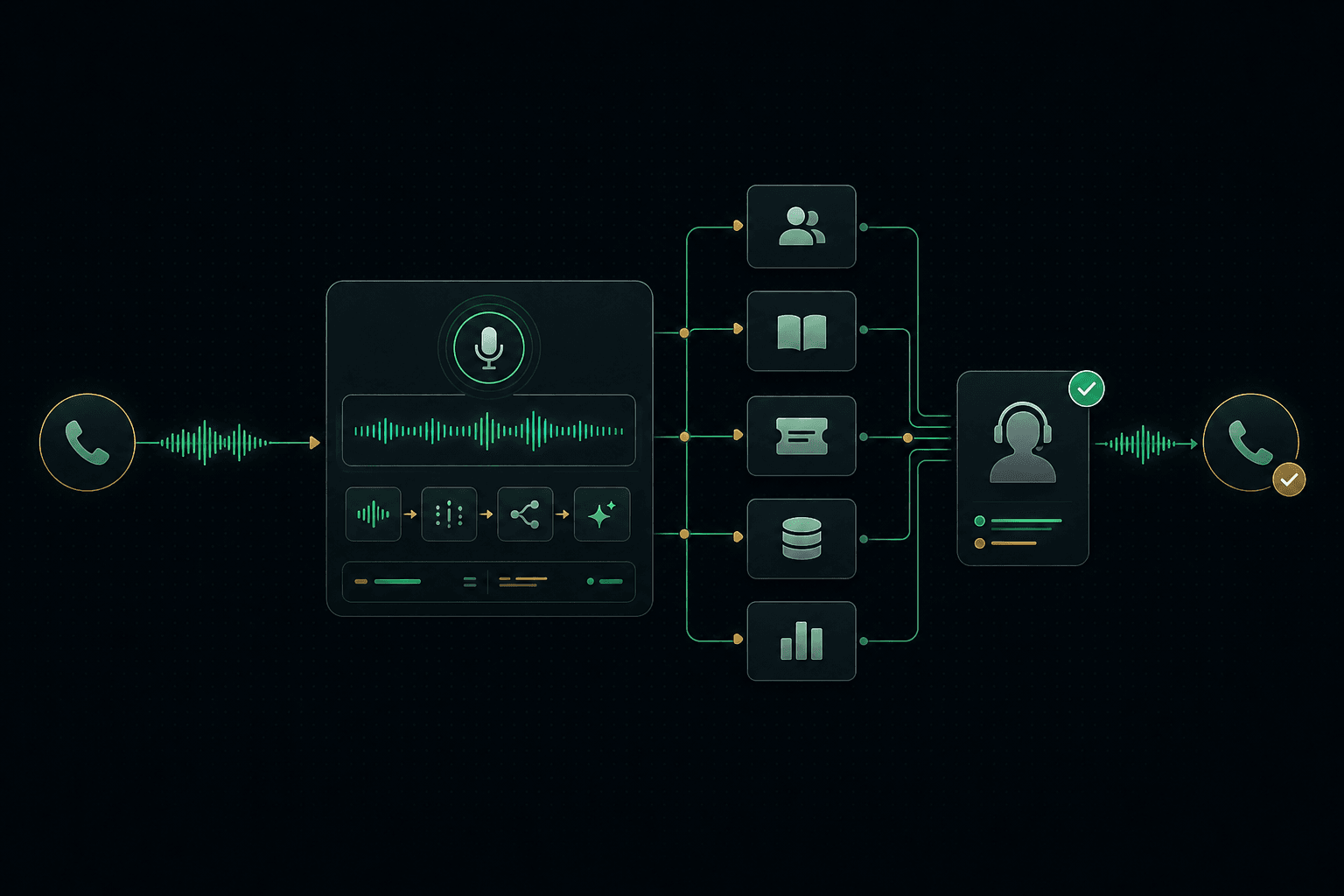
A voice AI agent isn't a robo-dialer playing a recording. It's software that can call a prospect, hold a natural back-and-forth conversation, ask qualifying questions, book a meeting, and write the outcome straight into your CRM. The prospect talks; the agent listens, responds, and acts — no menu, no script that breaks the moment someone answers off-pattern.
That's a real shift from the old automation, but it's easy to oversell. So it's worth setting the honest frame right at the start, because it shapes everything that follows.
Voice AI is a force multiplier for the top of the funnel, not a replacement for your closers. It handles the volume so your people can handle the deals.
Once you hold that frame, the technology stops being a threat to your team and starts being leverage for it. The agent takes the repetitive calls nobody enjoys, and your reps spend their hours where judgment actually matters.
Where voice AI wins (and where it doesn't)
The fastest way to waste money on voice AI is to point it at the wrong job. It's genuinely strong in some places and genuinely weak in others, and the honest version of this matters.
AI qualifies. Humans close.
Voice AI wins on speed-to-lead — calling a new inbound lead within seconds instead of hours, when the odds of reaching and qualifying them are highest. It wins on volume: working through hundreds of leads to sort the serious from the curious, without fatigue or a bad Monday. And it wins on follow-up, the task reps skip most, chasing the third and fourth touch that deals often need. Where it doesn't win is the complex close — reading a room, handling a nuanced objection, or negotiating a large contract. Those need a person. The best programs use an AI voice agent that answers and qualifies calls to feed a human team, not to sideline it.
The outbound playbook: three plays that work
Theory aside, most successful voice AI programs run a version of the same three plays. Start with one, prove it, then add the next.
The first play is speed-to-lead. The moment a lead comes in — a form fill, a demo request — the agent calls within seconds, qualifies interest, and books time with a rep while the prospect is still warm. The second play is qualification at scale. Point the agent at a large list of leads, let it ask the same qualifying questions every time, and it hands your reps only the ones worth a human conversation. The third play is automated follow-up. The agent runs the persistent, multi-touch sequences that reps abandon after the first try, and it does so consistently. Across all three, the payoff only lands if the agent can route qualified leads straight into your pipeline and hand structured call data to the CRM the moment the call ends.
Making it work with your CRM
A voice AI agent that doesn't talk to your CRM is a leak, not a tool. The conversation is only half the value; the other half is what happens to what it learned.
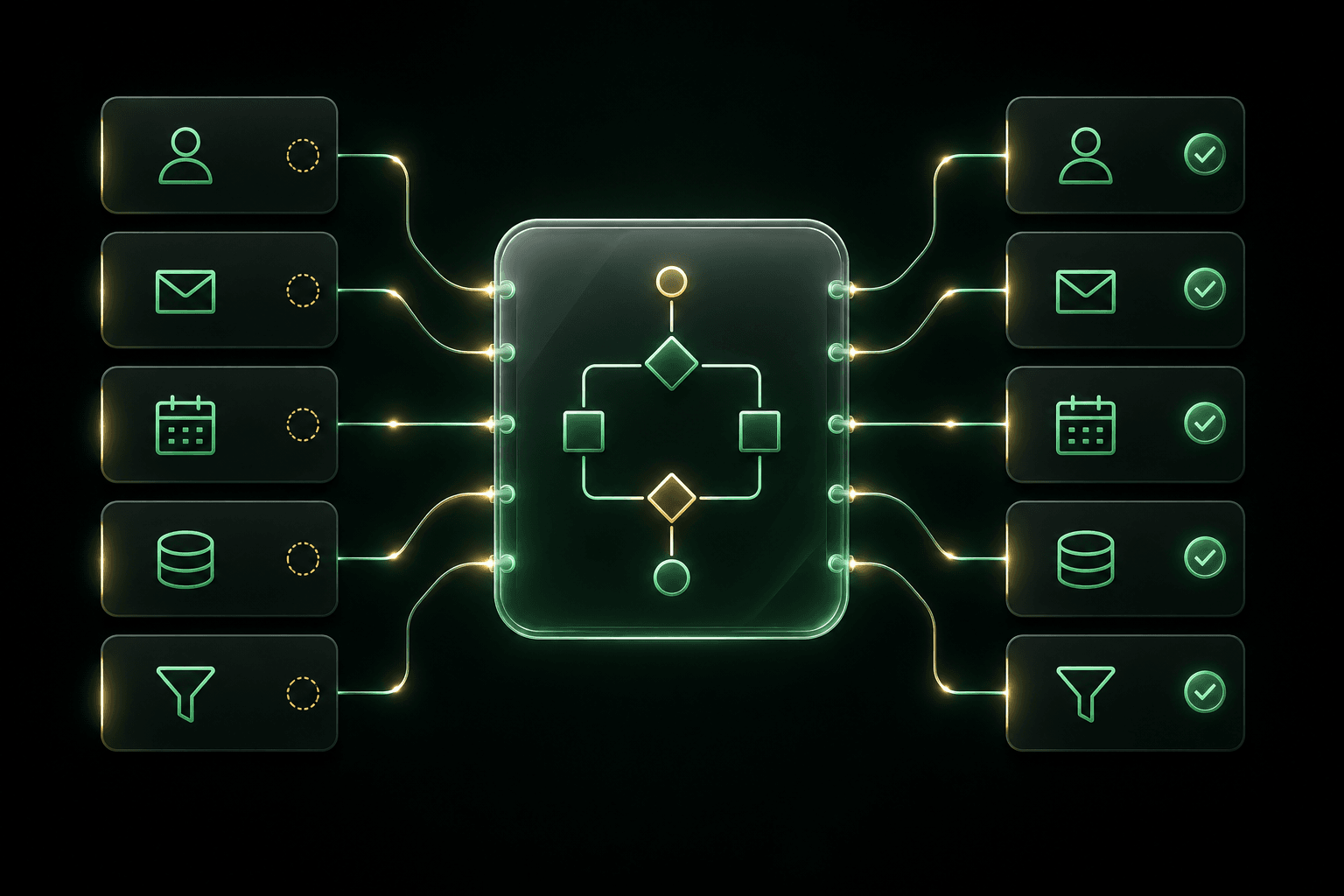
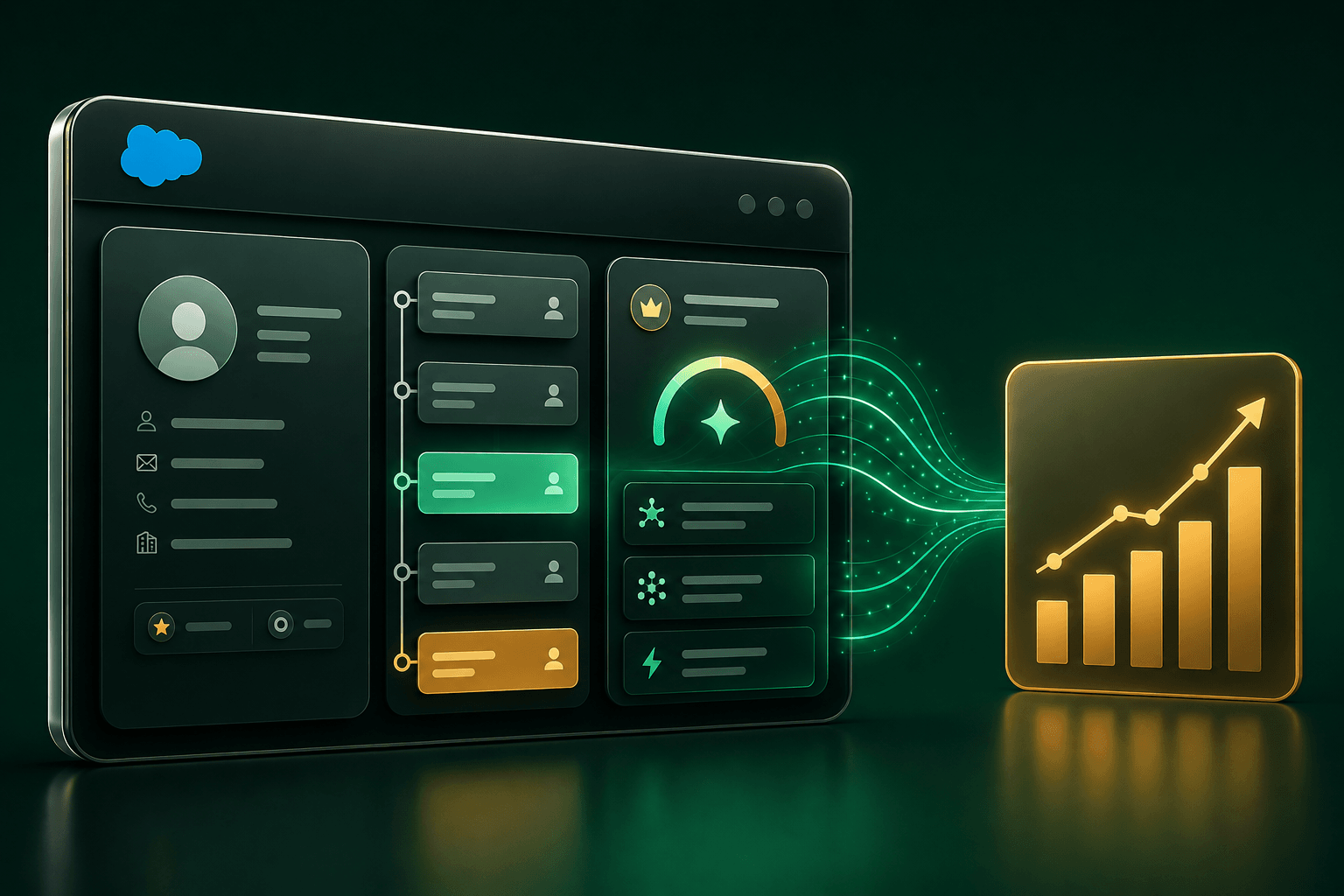
Every call produces data your team needs: whether the lead qualified, what they said, the next step, and their consent status. If that flows into the CRM automatically, a rep picks up a fully-briefed handoff instead of a cold name. If it doesn't, someone has to type it in by hand, and you lose the speed you paid for. This is why the agent needs a CRM built to act on that data , not just store it. The call outcome should trigger the next move on its own, whether that's a task for a rep, a nurture sequence, or a booked calendar slot.
The compliance rules you can't skip
This is the section most sales playbooks leave out, and it's the one that can cost you the most. In the US, using an AI voice for outbound calls is regulated, and the rules are not optional.
Since a 2024 FCC ruling, AI-generated voices count as "artificial or prerecorded voice" under the Telephone Consumer Protection Act, or TCPA — the federal law governing automated calls. In plain terms, that means an AI sales call is held to the same consent rules as any other robocall. For marketing calls, that generally means you need prior express written consent — a documented, signed agreement from the person — before the agent dials. On top of consent, most rules require the agent to disclose that it's AI at the start of the call, before any pitch. You also have to scrub numbers against Do Not Call lists, and some states require both parties to consent before a call is recorded. The penalties are high. TCPA fines run $500 to $1,500 per call, with no limit on the total. And class-action lawsuits are the bigger risk.
None of this makes voice AI unusable. It makes it something you build carefully, with the consent and disclosure layer in place before the first call — not bolted on after a complaint arrives. This is general information, not legal advice. The rules vary by state and change often, so check with qualified counsel before you launch an outbound program.
Common mistakes that sink voice AI outbound
Even good teams tend to make the same handful of errors. Knowing them upfront saves both money and legal exposure.
The first is treating the agent like a volume robo-dialer, blasting calls instead of running deliberate plays. The second is skipping the consent layer and assuming an existing customer relationship is enough — it usually isn't, for AI calls. The third is having no human handoff, so a qualified, ready buyer gets stuck talking to a machine past the point of usefulness. The fourth is hiding the AI, which breaks both trust and, in most cases, the law. And the fifth is ignoring state-level rules and treating compliance as a single federal checkbox. Each one is avoidable with a bit of planning.
How to measure a voice AI program
Because this is an investment in your pipeline, it needs the right numbers — and the right numbers are not "calls made." Dials measure activity, not results.
Track connect rate, the share of calls that reach a real person, since that reflects both list quality and whether your calls are being flagged as spam. Track qualified meetings booked, the real output of the program. Watch speed-to-lead, because faster response is most of the advantage. Keep an eye on opt-out rate, which tells you whether your targeting and tone are right. Measure cost per qualified meeting, the number your CFO cares about. And monitor compliance flags — opt-outs honored, disclosures made — because one gap there outweighs any efficiency gain. When those move in the right direction together, the program is working.
Conclusion
Voice AI in 2026 isn't a robot replacing your sales team. It's a force multiplier for the parts of outbound that reward speed and consistency — instant lead response, qualification at volume, and the follow-ups that otherwise fall through. Deployed well, it hands your reps warmer, better-briefed conversations and gives them back the hours they used to spend dialing. The teams that win with it share three habits: they use it to qualify and let humans close, they wire it tightly into the CRM, and they build consent and disclosure in from day one. If you want to see where voice AI fits your own outbound — and how to launch it without breaking the compliance rules — a short walkthrough is the fastest way to find out.