
Where your revenue team's hours actually go
Ask any sales rep where their week goes, and "selling" won't be the biggest answer. Logging calls, updating deal stages, chasing follow-ups, cleaning up records — the admin adds up fast, and it quietly crowds out the work that actually closes deals.
The numbers back up the feeling. Salesforce's own research found that reps spend just 28% of their week actually selling, with the rest going to admin, deal management, and data entry. Across a revenue team, that's easily 25 or more hours a week spent maintaining the CRM instead of selling through it. That lost time is exactly what automation reclaims — and the fifteen workflows below are where it comes back.
Suggest vs. execute: the difference that saves time
Before the list, one distinction decides whether any of this saves real time. Not all CRM automation is equal, and the marketing rarely tells you which kind you're buying.
Automation that only suggests still needs a human to click. Automation that executes does the work. Only the second kind actually gives you time back.
A tool that flags a lead for follow-up and waits for a rep to act has saved almost nothing — the rep still has to notice it, decide, and do it. A tool that scores the lead, routes it, and sends the first touch on its own has saved the whole task. As you read the workflows below, that's the test: does it act, or does it just nudge? The time savings live entirely in the ones that act.
Lead management workflows (1–4)
The front of the funnel is where speed matters most, and where automation pays back fastest.
1. Automated lead scoring. AI ranks every new lead by how likely it is to buy, using both profile data and behaviour, so reps work the best leads first instead of guessing.
2. Instant lead routing. The moment a qualified lead appears, it's assigned to the right rep by territory, capacity, or score — in seconds, not the hours a manual handoff takes.
3. Contact enrichment. The system fills in company size, industry, and role automatically the moment a lead is created, so nobody spends time researching and typing it in.
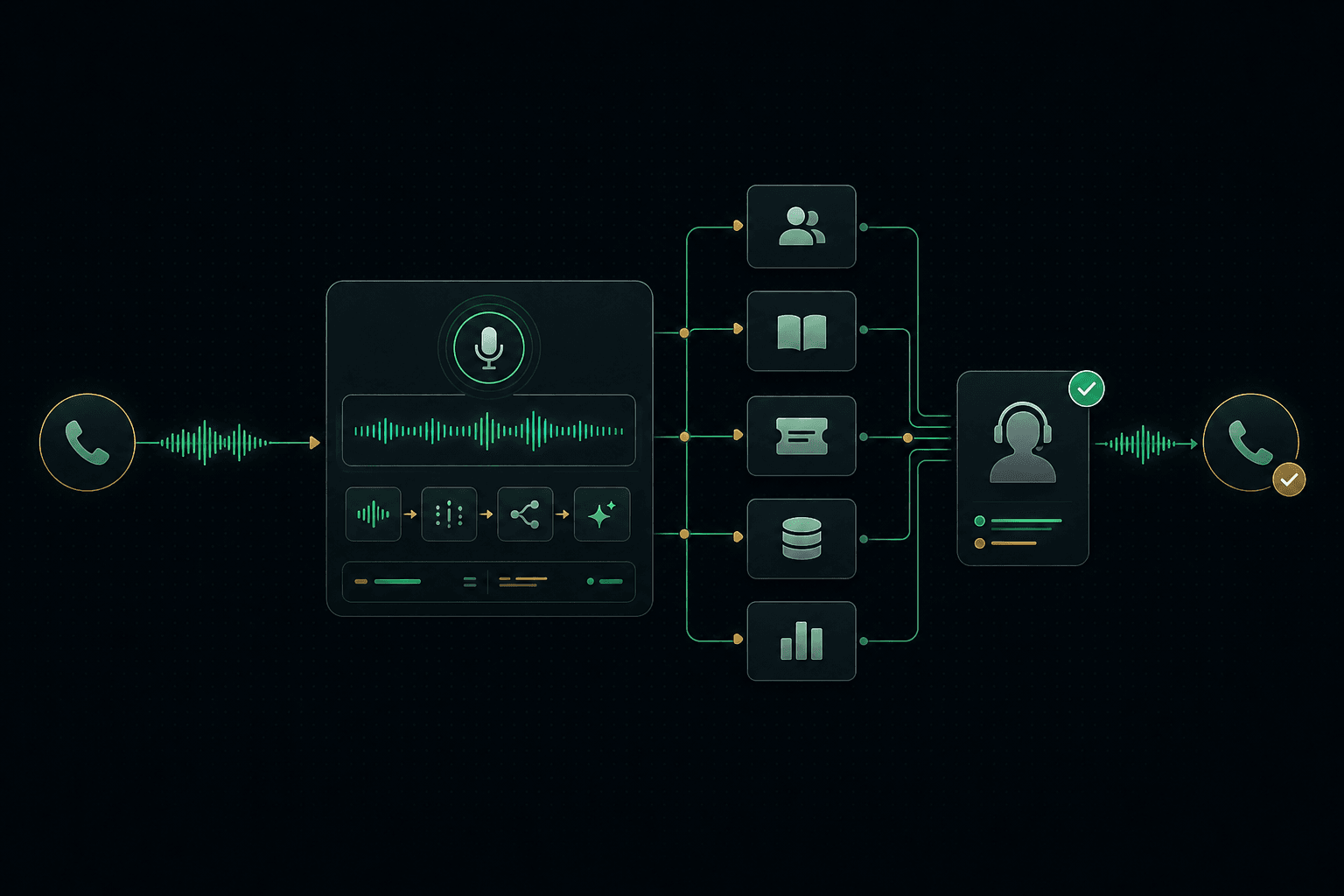
4. Instant speed-to-lead response. The faster a new lead hears back, the more likely they qualify. An AI voice agent that responds the instant a lead comes in can call, qualify, and book a meeting before a rep would have even seen the notification.
Follow-up and nurture workflows (5–8)
Follow-up is the task reps skip most, and the one automation handles most reliably.
5. Sequenced follow-ups. Multi-step email sequences run on their own, so no lead goes cold because someone forgot the third touch.
6. Stalled-deal nudges. When a deal sits in one stage too long, the system flags it and triggers the next action automatically, instead of letting it quietly die.
7. Re-engagement campaigns. Leads who went quiet get pulled back into a nurture sequence automatically, recovering pipeline that would otherwise be lost.
8. Automatic meeting booking. The system offers times and books the meeting inside the conversation, syncing to the rep's calendar without the back-and-forth. This kind of automated follow-up that runs on its own is where a lot of the reclaimed hours come from.
Data hygiene workflows (9–12)
Less exciting, but this is where most of the wasted admin hours are.
9. Automatic activity logging. Emails, calls, and meetings log themselves to the right record, ending the single biggest source of manual CRM data entry.
10. AI meeting summaries. Calls are transcribed and summarised into action items automatically, so reps don't spend time writing up notes after every conversation.
11. Data cleanup and deduplication. The system catches duplicate records and fills gaps on its own, keeping the data clean enough for everything else to work.
12. Deal-stage progression. When a triggering event happens — a proposal sent, a contract signed — the deal stage advances on its own. Honest note: this one keeps your pipeline accurate but doesn't add deals.
Intelligence and reporting workflows (13–15)
The workflows that turn a tidy CRM into one that tells you things.
13. Churn and risk alerts. The system watches for slowing engagement and warns you before an account goes quiet, while there's still time to act.
14. Pipeline health flags. AI spots deals that look stuck or at risk and surfaces them, so managers don't have to comb the pipeline by hand.
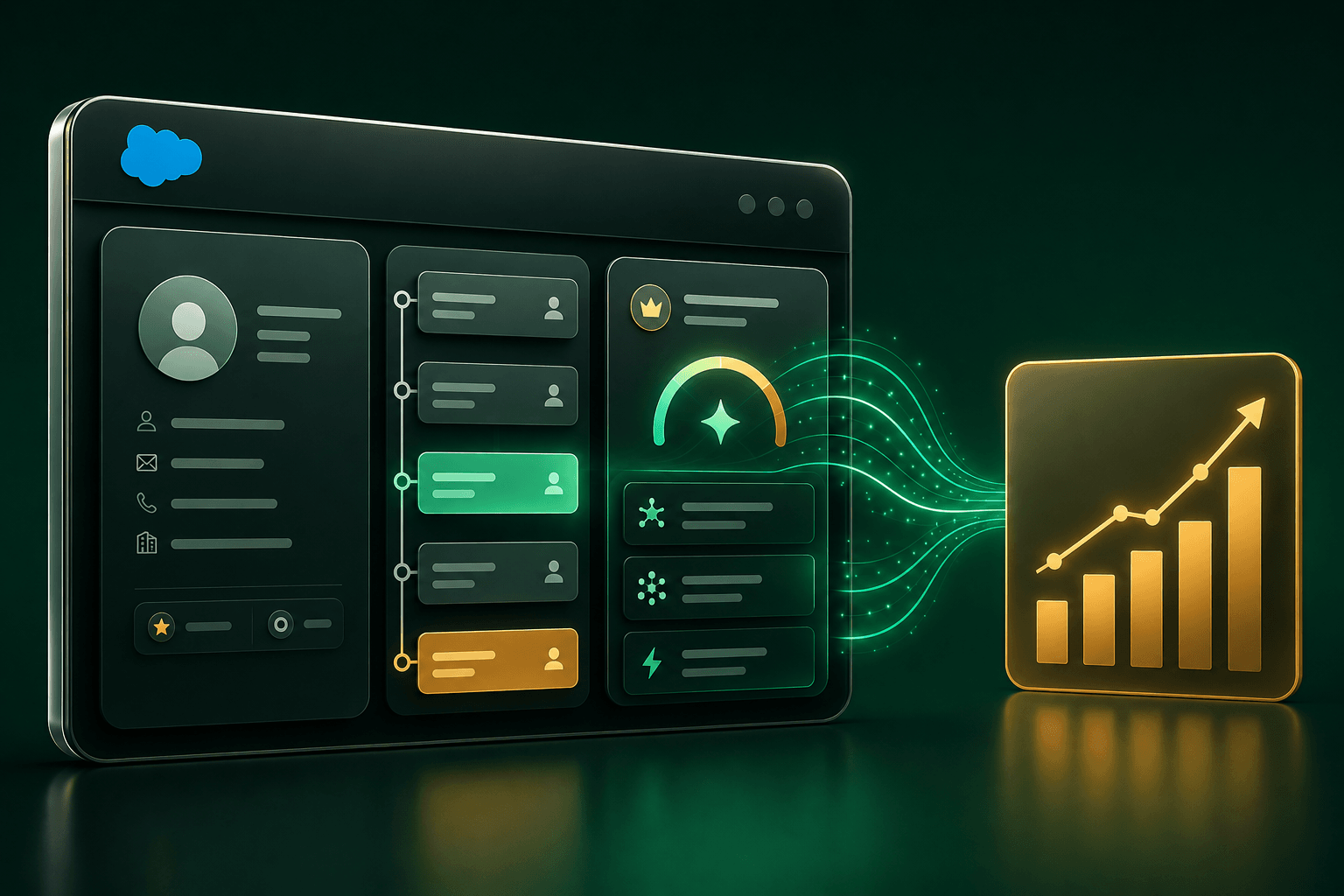
15. Auto-generated reports. Weekly pipeline and activity reports build themselves, giving managers the picture without the manual export-and-format ritual. Together, these turn the CRM into a system that acts on its own data, not just a place to store it.
How to prioritize (don't automate all 15 at once)
Fifteen workflows is a menu, not a to-do list. Trying to build them all at once is how automation projects stall.
Start with the one that hurts most — usually lead follow-up or activity logging, since those eat the most hours. Favour the workflows that execute over the ones that only suggest, because those are the ones that actually give time back. And measure the hours saved on each before adding the next, so you're building on proof rather than hope. Some of these, like deal-stage progression, keep your data honest without adding pipeline. Others, like speed-to-lead and re-engagement, directly grow revenue. Both are worth doing — but knowing which is which keeps your expectations, and your reporting, honest.
Conclusion
CRM automation in 2026 isn't about replacing your sales team. It's about handing the repetitive work to software so your people spend their hours on relationships and deals instead of data entry. The teams that get it right don't switch on all fifteen workflows at once. They start with the task that wastes the most time, choose automation that executes rather than suggests, and measure the hours they get back before expanding. If you're not sure which of these workflows would free up the most time for your team, that's exactly what we can help you map.